
Hailstorms hit hard in North Texas. And when they do, confusion follows almost immediately. Homeowners start searching for roofers, filing claims, taking photos, and trying to understand why one estimate says $12,000 while another says $34,000. That confusion is exactly why understanding Public Adjuster vs. Insurance Adjuster for Hail Claims in Lewisville, TX matters so much before you accept a settlement or sign repair agreements. Many homeowners assume every adjuster works for them.
That is not always true. Some adjusters represent the insurance company. Others represent the policyholder. Both play important roles during hail claims, but their goals, priorities, and responsibilities are very different. And those differences can affect your final payout dramatically. In Lewisville, TX, where hailstorms regularly damage roofing systems, gutters, siding, flashing, and ventilation components, knowing who is evaluating your claim can mean the difference between a partial repair and a full restoration. Let’s break it all down clearly.
Why Hail Claims Become So Complicated in Lewisville, TX
North Texas weather is aggressive. Lewisville homeowners already know that. One strong storm can create thousands of dollars in damage within minutes. Asphalt shingles lose granules. Metal components dent. Tile cracks form. Gutters deform. Flashing separates. Water intrusion follows shortly after.
The difficult part?
Not all hail damage is obvious from the ground. That creates disputes immediately. Insurance carriers may classify damage as cosmetic. Contractors may argue the roof requires full replacement. Homeowners get caught in the middle trying to figure out who is actually correct. That is where adjusters enter the process. But not all adjusters work the same way.
What Is an Insurance Adjuster?
An insurance adjuster works on behalf of the insurance carrier. Their job is to inspect property damage, review policy coverage, and estimate repair costs according to the terms of the policy. They are part of the insurance claim process from the beginning.
There are generally two types of insurance adjusters involved in hail claims:
| Type | Description |
| Staff Adjuster | Direct employee of the insurance company |
| Independent Adjuster | Third-party contractor hired by carriers during storm events |
After a major hailstorm in Lewisville, insurance carriers often bring in independent adjusters quickly because claim volume spikes dramatically. These adjusters inspect roofs daily. Sometimes several each day. That workload matters more than most homeowners realize.
What Insurance Adjusters Typically Do
During a hail claim, insurance adjusters usually:
- Inspect roofing systems
- Photograph visible damage
- Measure roof dimensions
- Evaluate siding and gutters
- Review policy coverage
- Create repair estimates
- Determine replacement eligibility
Some are extremely experienced. Others are not. And because hail claims can become highly technical, the experience level of the adjuster inspecting the property can influence the outcome significantly.
What Is a Public Adjuster?
A public adjuster works for the homeowner, not the insurance company. That distinction changes everything. A public adjuster is a licensed professional hired by policyholders to represent their interests during insurance claims. Their role focuses on documenting damage thoroughly, reviewing policy language carefully, and negotiating fair settlements directly with the carrier. In Texas, public adjusters must meet licensing requirements established by the Texas Department of Insurance. They cannot legally represent homeowners without proper licensing.
What Public Adjusters Usually Handle
Public adjusters often assist with:
- Hail damage documentation
- Claim preparation
- Scope disputes
- Supplemental claims
- Policy interpretation
- Negotiations with carriers
- Reopened claims
- Denied claims
Many homeowners contact public adjusters after problems already develop.
For example:
- The claim was denied
- The estimate feels too low
- Important damage was missed
- Repairs exceed insurance payouts
- Multiple inspections produced conflicting findings
Those situations happen constantly after major storms. Especially in busy claim environments.
Public Adjuster vs. Insurance Adjuster for Hail Claims in Lewisville, TX
This is where the confusion usually starts. The names sound similar. The responsibilities are not. Here’s the clearest way to understand the difference.
| Category | Public Adjuster | Insurance Adjuster |
| Represents | Homeowner | Insurance Company |
| Goal | Maximize fair settlement | Evaluate claim for carrier |
| Payment | Percentage of settlement | Paid by carrier |
| Loyalty | Policyholder | Insurance carrier |
| Negotiates Claims | Yes | Yes |
| Reviews Policyholder Interests | Yes | Limited to policy obligations |
That difference in representation affects nearly every stage of the claim.
Why Representation Matters During Hail Claims
Hail claims are not always simple roof replacements. Far from it.
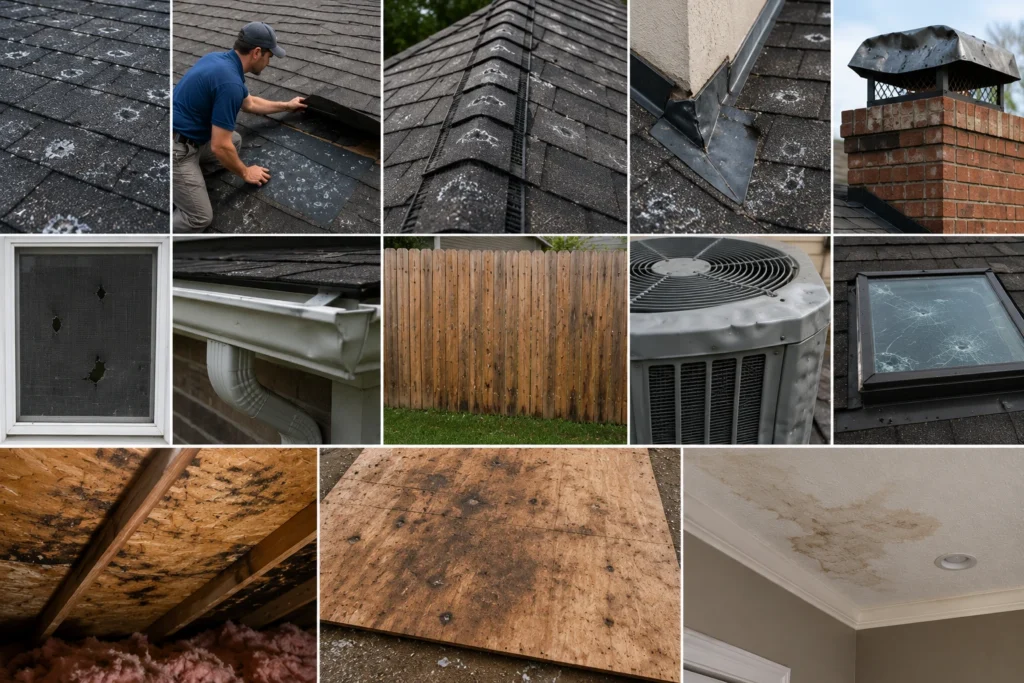
A strong hailstorm can damage:
- Roofing materials
- Underlayment
- Ridge vents
- Flashing systems
- Chimney caps
- Window screens
- Gutters
- Fence staining
- HVAC fins
- Skylights
- Interior ceilings
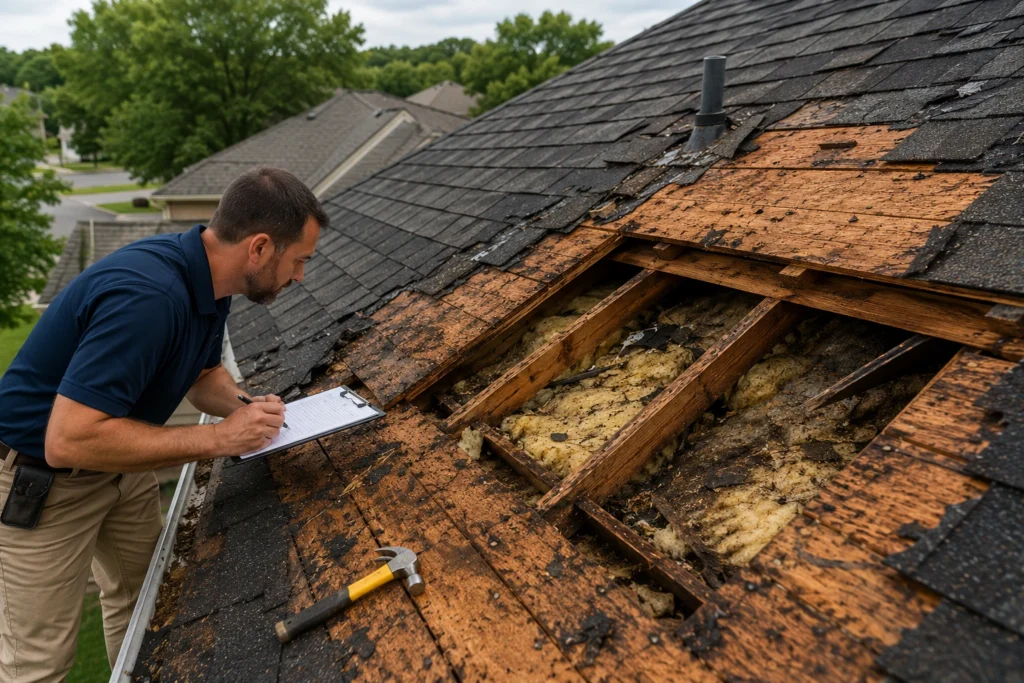
Some damage remains hidden until tear-off begins. That creates supplemental claim situations later in the process. Insurance adjusters may initially approve only surface-level repairs. Contractors or public adjusters may later discover additional code-related or structural issues requiring expanded scope. That is one reason supplements exist.
The Real Problem With Initial Hail Inspections
Many homeowners assume the first inspection is fully comprehensive. Sometimes it is. Sometimes it absolutely is not. After large storms, insurance adjusters often face enormous workloads. They may inspect multiple homes daily while navigating tight schedules and pressure to process claims quickly.
That environment increases the chances of:
- Missed slopes
- Incomplete measurements
- Overlooked collateral damage
- Underestimated labor requirements
- Missing code upgrades
Those omissions matter financially. A lot.
Why Public Adjusters Often Spend More Time on Documentation
Public adjusters generally approach inspections differently because their role focuses entirely on the policyholder’s position.
That often means:
- More detailed photographs
- Longer roof inspections
- Interior inspections
- Attic evaluations
- Weather data collection
- Contractor coordination
- Detailed estimate comparisons
Documentation becomes the foundation of negotiation leverage. The stronger the documentation, the stronger the claim position becomes.
Common Hail Claim Disputes in Lewisville, TX
The phrase Public Adjuster vs. Insurance Adjuster for Hail Claims in Lewisville, TX becomes especially important once disputes begin appearing. And they appear often.
Cosmetic vs. Functional Damage
Insurance carriers sometimes argue damage is cosmetic only. Homeowners and contractors may disagree. Metal roofs commonly create these disputes because dents may not immediately affect performance but still reduce appearance and long-term property value.
Partial Repairs vs. Full Replacement
One slope damaged. Three slopes damaged. Entire roofing system compromised. Those disagreements happen constantly.
Matching Problems
Older shingles may no longer exist. Color blending becomes impossible. Texas homeowners frequently encounter matching disputes during partial repair approvals.
Code Upgrade Disputes
Modern building codes may require:
- Ice and water barriers
- Enhanced ventilation
- Drip edge installation
- Deck attachment improvements
Some policies include ordinance and law coverage for these situations. Others limit it. Understanding policy language becomes critical here.
How the Claim Process Usually Works
The hail claim process follows a fairly predictable pattern. But the details inside each step determine how smoothly the claim unfolds.
Step 1: Storm Damage Occurs
The homeowner notices:
- Missing granules
- Leaks
- Dented gutters
- Water stains
- Broken shingles
Documentation should begin immediately. Photos matter enormously.
Step 2: Roof Inspection
A roofing contractor often performs the first inspection.
This stage helps identify visible storm-related damage before filing the claim.
Step 3: Insurance Claim Filed
The homeowner contacts the carrier and schedules the adjuster inspection.
Step 4: Insurance Adjuster Inspection
The carrier’s adjuster evaluates the property and prepares an estimate. This estimate becomes the starting point for negotiations. Not always the final answer.
Step 5: Scope Comparison
Contractors and public adjusters frequently compare carrier estimates against actual repair requirements. This is where discrepancies usually appear.
Step 6: Supplemental Damage Discovery
Once roof tear-off begins, hidden problems may emerge.
Examples include:
- Rotten decking
- Wet insulation
- Ventilation failures
- Flashing damage
- Additional slope impact marks
Supplements become necessary.
Step 7: Settlement Negotiation
The claim may move smoothly. Or disputes may intensify. That is often when homeowners consider hiring public adjusters.
When Public Adjusters Add Significant Value
Not every claim requires a public adjuster. But some absolutely benefit from one.
Denied Hail Claims
This is one of the biggest reasons homeowners seek help. A denial does not always mean the claim is permanently dead.
Public adjusters may reopen negotiations using:
- Additional inspections
- Engineering reports
- Weather documentation
- Contractor evaluations
- Expanded photo evidence
Underpaid Claims
Low estimates are extremely common after hailstorms. Especially when initial inspections miss critical items.
Public adjusters often identify:
- Missing accessories
- Incorrect measurements
- Inadequate labor pricing
- Overlooked code requirements
- Ventilation deficiencies
Complex Roofing Systems
Tile roofs. Metal systems. Stone-coated steel roofing. High-end architectural systems. Complex roofs create more room for disagreement.
Commercial Properties
Commercial claims become far more technical. Flat roofing systems, drainage systems, HVAC penetrations, and business interruption issues create additional layers of complexity.
Situations Where Insurance Adjusters Handle Claims Fairly
It is important to stay balanced here. Not every insurance adjuster creates problems. Many handle claims professionally and accurately.
Some claims resolve quickly because:
- Damage is straightforward
- Documentation is clear
- Carrier communication is responsive
- Scope disputes are minimal
Simple repairs with limited damage may not require additional representation at all. And homeowners should recognize that possibility.
The Importance of Attic Inspections During Hail Claims
Many homeowners never inspect the attic after a storm. That is a mistake. Attics often reveal hidden evidence supporting roof damage claims.
Look for:
- Water stains
- Damp insulation
- Mold growth
- Decking discoloration
- Nail pops
- Ventilation issues
Interior evidence strengthens causation arguments significantly. A roof claim becomes stronger when exterior storm impacts clearly connect to interior performance problems.
Why Supplemental Claims Matter So Much
Supplements are not unusual. They are incredibly common. Initial inspections happen before tear-off. Hidden damage appears afterward. That reality creates supplemental claim requests throughout the roofing industry.
Many disputed roof claims eventually evolve into Hail Damage Claim Supplements after contractors begin tear-off and uncover hidden issues beneath the surface. Problems like deteriorated decking, damaged flashing, soaked insulation, or ventilation deficiencies often remain invisible during the first inspection. This is one reason experienced public adjusters spend significant time reviewing documentation carefully before negotiations begin. In more technical disputes, some claim professionals even apply structured analytical methods similar to Bayesian inference when evaluating probabilities, evidence patterns, and competing damage interpretations during complex claim investigations.
Common supplemental items include:
| Supplemental Item | Why It Appears Later |
| Decking replacement | Hidden beneath shingles |
| Ventilation upgrades | Code compliance discovered later |
| Flashing replacement | Damage concealed during initial inspection |
| Additional underlayment | Tear-off reveals deterioration |
| Steep roof charges | Access difficulty underestimated |
Homeowners often misunderstand supplements. They are not automatically fraudulent or inflated. They frequently reflect damage that simply was not visible during the first inspection.
Why Documentation Wins Claims
Emotion rarely wins insurance disputes. Documentation does.
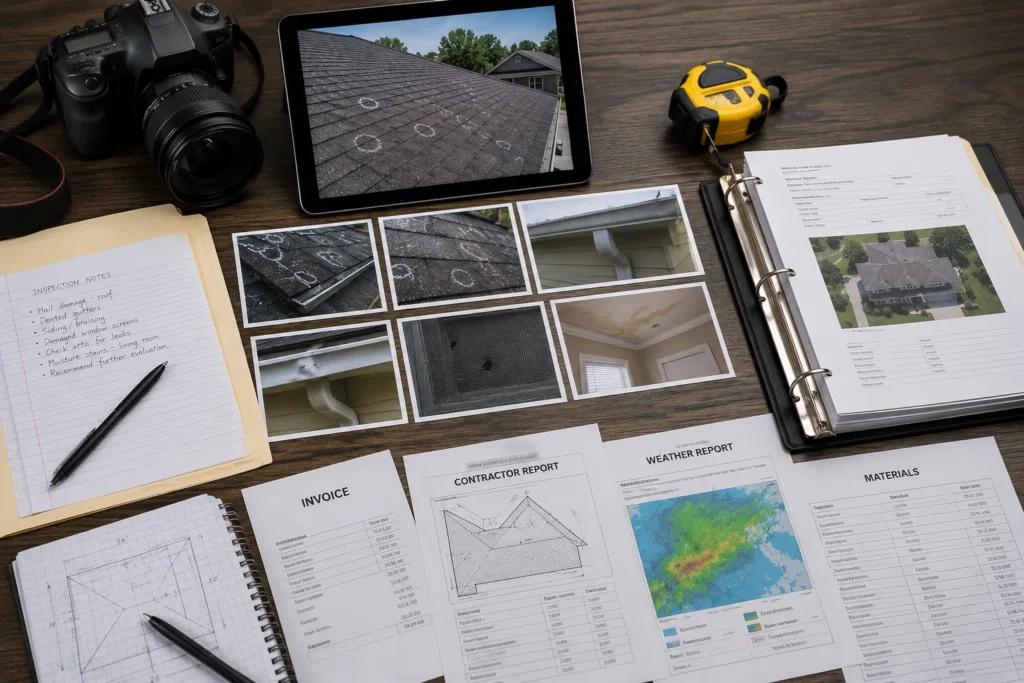
Strong claim files usually include:
- Date-stamped photographs
- Contractor reports
- Weather verification reports
- Material invoices
- Roof measurements
- Inspection summaries
- Interior moisture documentation
The better organized the evidence becomes, the stronger the negotiating position grows. That principle applies whether a homeowner works independently or hires a public adjuster.
Questions Homeowners Should Ask Before Hiring a Public Adjuster
Not all public adjusters operate equally. Ask smart questions first.
Are You Licensed in Texas?
Always verify licensing.
How Much Experience Do You Have With Hail Claims?
Storm-related experience matters enormously in North Texas.
How Do You Charge Fees?
Most public adjusters work on contingency percentages. Understand the agreement clearly before signing.
Will You Handle Supplements?
Some claims evolve over months. Supplement support matters.
Do You Coordinate With Roofing Contractors?
Collaboration often improves claim accuracy.
Red Flags Homeowners Should Watch Carefully
Storm environments attract opportunists quickly.
Be cautious.
High-Pressure Sales Tactics
No homeowner should feel forced into immediate decisions after storm damage.
Unrealistic Settlement Promises
Nobody can guarantee claim outcomes. Be careful with exaggerated promises.
Poor Communication
If documentation feels vague early, problems usually worsen later.
Unlicensed Representation
Always verify credentials independently.
Why Lewisville Homeowners Often Feel Overwhelmed
Hail claims involve:
- Roofing systems
- Insurance policies
- Building codes
- Contractor estimates
- Deductibles
- Supplements
- Depreciation calculations
That is a lot. Especially while dealing with active leaks or property disruption. Many homeowners simply want clarity. That is why understanding Public Adjuster vs. Insurance Adjuster for Hail Claims in Lewisville, TX helps reduce confusion before disputes escalate.
ACV vs. RCV Confusion Creates Major Problems
This issue causes frustration constantly.
Actual Cash Value (ACV)
ACV policies account for depreciation. Older roofs receive reduced payouts.
Replacement Cost Value (RCV)
RCV policies generally provide additional reimbursement after repairs complete. Homeowners who misunderstand this difference often assume the carrier underpaid the claim initially when depreciation withholding explains part of the gap. Policy review matters enormously here.
Why Fast Settlements Can Hurt Homeowners
Quick claim approvals feel relieving. Until hidden problems appear later.
Accepting insufficient scopes too early may leave homeowners paying out-of-pocket for:
- Code upgrades
- Ventilation work
- Flashing replacement
- Decking repairs
- Additional labor charges
That is why careful estimate review matters before finalizing repairs.
How Public Adjusters Strengthen Negotiations
Public adjusters usually improve leverage through organization.
They often provide:
- Detailed estimates
- Policy interpretation support
- Comparative scope analysis
- Supplemental claim coordination
- Structured communication with carriers
Strong organization changes negotiations dramatically. Insurance claims become harder to minimize when documentation is thorough and consistent.
The Human Side of Hail Claims
People underestimate the stress involved. A damaged roof creates anxiety fast.
Homeowners worry about:
- Water intrusion
- Claim denials
- Repair timelines
- Rising costs
- Contractor quality
- Policy confusion
That emotional pressure often leads to rushed decisions. Slow down. Careful documentation and informed decision-making usually produce better outcomes than reactive choices.
Which Adjuster Is Better?
There is no universal answer. Insurance adjusters are necessary parts of the claim process. Public adjusters exist because disputes and underpayments sometimes occur. Some claims resolve fairly without complications. Others become highly contested. The better question is this: Does the homeowner feel confident the claim scope fully reflects the actual storm damage? If the answer is no, additional professional review may help.
Practical Tips After a Lewisville Hailstorm
Here are smart steps homeowners should take immediately after hail impacts.
Photograph Everything
Take wide-angle and close-up photos before temporary repairs begin.
Schedule Independent Roof Inspections
Independent contractor evaluations provide valuable comparison points.
Review Your Policy
Understand deductibles, depreciation, exclusions, and ordinance coverage.
Save Every Document
Keep inspection reports, invoices, emails, and photos organized.
Avoid Immediate Commitments
Pressure-based decisions rarely help homeowners long term.
Inspect Interior Areas
Attics and ceilings often reveal hidden evidence.
Final Thoughts
The debate around Public Adjuster vs. Insurance Adjuster for Hail Claims in Lewisville, TX ultimately comes down to representation, documentation, and negotiation strategy. Insurance adjusters represent carriers. Public adjusters represent policyholders. That distinction shapes how claims are evaluated, documented, and negotiated from beginning to end.
Some hail claims move smoothly with minimal conflict. Others become complicated quickly once hidden damage, code requirements, or scope disputes emerge. Homeowners who understand the process early usually make stronger decisions later. And that matters. Because roofing systems protect far more than shingles alone. They protect property value, structural integrity, and long-term financial stability after severe North Texas storms. The most successful hail claims rarely depend on emotion or pressure tactics. They depend on evidence. Thorough inspections. Organized documentation. Clear communication. And informed representation when disputes arise. Lewisville homeowners who approach hail claims carefully place themselves in a much stronger position from the very beginning.
FAQs
A public adjuster represents the homeowner, while an insurance adjuster represents the insurance company during the claim process.
It depends on the complexity of the claim. Public adjusters are often helpful for denied, delayed, or underpaid hail claims.
Yes. A public adjuster may submit additional evidence, documentation, and supplemental estimates to reopen negotiations.
Most public adjusters work on a contingency fee basis, meaning they receive a percentage of the final settlement.
No. Insurance adjusters work for the insurance carrier and evaluate claims based on policy coverage.
They are additional claim requests submitted after hidden storm damage is discovered during repairs or roof tear-off.
Disputes often involve missed damage, low estimates, code upgrades, or disagreements over repair versus replacement.
Absolutely. Problems like damaged decking, flashing, and wet insulation may only become visible during tear-off.
Photos, contractor reports, weather records, inspection notes, and repair estimates all help support stronger claims.
As soon as it is safe. Early inspections help preserve evidence and prevent additional interior damage.