
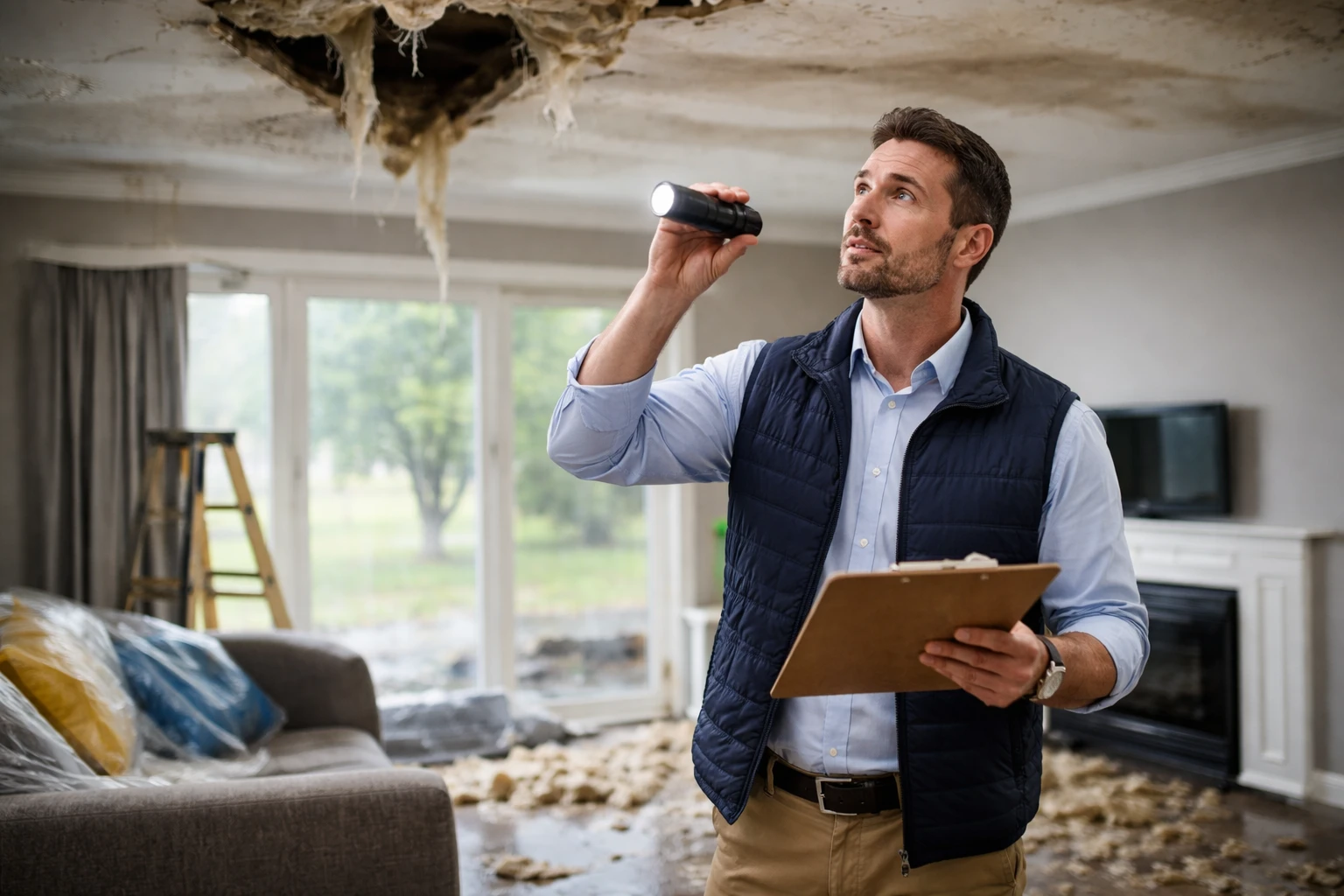
Insurance claims sound simple. Until you actually have to file one.
A burst pipe. A hailstorm. Fire damage. Suddenly, you’re staring at paperwork, estimates, and unfamiliar terms while trying to protect your biggest investment. This is where people start asking, what is public adjuster and whether hiring one could change the outcome of their claim.
Let’s unpack it—clearly, honestly, and with real-world perspective.
What Is a Public Adjuster?
At its core, the answer to what is public adjuster is straightforward.
A public adjuster is a licensed professional who represents you—the policyholder—not the insurance company. Their job is to manage, document, and negotiate your insurance claim to help you receive a fair settlement.
That distinction matters. A lot.
Insurance companies have their own adjusters. Those professionals are trained and paid to protect the insurer’s financial interests. A public adjuster flips that dynamic. They work exclusively for you.
In Texas, including Lewisville, public adjusters must be licensed and regulated. That means they are held to specific standards and must follow state laws designed to protect homeowners.
Simple definition. Big impact.
What Does a Public Adjuster Actually Do?

This is where things get practical. When people ask what is public adjuster, what they really want to know is: “What will they do for me?”
Quite a bit.
Claim Evaluation
First, they review your insurance policy in detail. Not just the obvious parts. The fine print too.
They identify:
- What is covered
- What may be partially covered
- What you might be entitled to—but didn’t realize
This alone can change the trajectory of a claim.
Damage Documentation
This step is critical. And often underestimated.
Public adjusters:
- Inspect your property thoroughly
- Take detailed photos
- Document structural and hidden damage
- Work with contractors or specialists when needed
Insurance claims are evidence-driven. The better the documentation, the stronger your position.
Claim Preparation
They organize everything. And I mean everything.
- Repair estimates
- Itemized loss reports
- Supporting documentation
- Required forms
No guesswork. No missing pieces.
Negotiation
Here’s where experience really shows.
Public adjusters communicate directly with the insurance company. They:
- Handle meetings and inspections
- Respond to adjuster reports
- Push back on low offers
- Advocate for a fair settlement
You don’t have to argue. They do it for you.
Settlement Review
Before you accept anything, they break it down.
- Is the offer complete?
- Are repairs fully covered?
- Are depreciation or exclusions being applied correctly?
They help you decide whether to accept or continue negotiating.
Public Adjuster vs Other Adjusters
This is where confusion often creeps in. So let’s clear it up.
| Type of Adjuster | Who They Work For | Primary Goal |
| Public Adjuster | You (policyholder) | Maximize your claim payout |
| Insurance Adjuster | Insurance company | Protect company interests |
| Independent Adjuster | Hired by insurer | Represent insurer on contract |
Same title. Very different incentives.
Understanding this distinction is key to fully grasping what is public adjuster and why their role exists.
When Should You Hire a Public Adjuster?
Not every claim requires one. But some situations make it a smart move.
Consider hiring a public adjuster if:
- Your property suffered major damage (fire, storm, water)
- The claim is complex or involves multiple areas of damage
- The insurance company delays or denies your claim
- You receive a settlement that feels too low
- You simply don’t have the time to manage the process
In Lewisville, hailstorms and roof damage are especially common. These claims often involve hidden structural issues that are easy to overlook without professional help.
Timing matters too. The earlier a public adjuster gets involved, the more control they have over how the claim is documented and presented.
Benefits of Hiring a Public Adjuster
Let’s be direct. Why do people hire them?
Because results matter.
Key advantages:
- Stronger settlements
Better documentation and negotiation often lead to higher payouts. - Less stress
You don’t have to manage every detail yourself. - Time savings
Claims can drag on. A professional keeps things moving. - Expert guidance
You avoid costly mistakes that could reduce your payout. - Level playing field
You’re no longer negotiating alone.
It’s not just about money. It’s about clarity and control.
Potential Drawbacks to Consider
No decision is perfect. And it’s important to be honest here.
Things to keep in mind:
- They charge a fee
Typically a percentage of your settlement. - Not always necessary
Smaller, straightforward claims may not require one. - Quality varies
Not all public adjusters are equally experienced or reputable.
That last point is important. Choosing the right professional makes all the difference.
How Public Adjusters Get Paid
Most public adjusters work on a contingency fee basis.
That means:
- No upfront payment
- They only get paid if you receive a settlement
Typical fee structure:
- 10% to 20% of the final claim payout
What this means for you:
- Their success is tied to your outcome
- They are motivated to maximize your claim
In Texas, fee agreements are regulated, and you should always receive a clear, written contract outlining the terms.
How to Choose the Right Public Adjuster in Lewisville
This is where you slow down and evaluate carefully.
What to look for:
- Valid Texas license
Non-negotiable. - Local experience
Familiarity with Lewisville claims and weather patterns matters. - Strong reviews
Look for consistent, real feedback. - Transparent fees
No vague pricing. - Clear communication
If they can’t explain things simply, that’s a red flag.
Quick checklist:
- Licensed in Texas
- Experience with similar claims
- Positive client feedback
- Clear contract terms
- Responsive communication
Take your time here. It pays off.
The Public Adjuster Process (Step-by-Step)
Let’s walk through how it actually works.
1. Initial Consultation
They assess your situation and explain how they can help.
2. Policy Review
They analyze your coverage in detail.
3. Property Inspection
They document all visible and hidden damage.
4. Claim Preparation
They compile and organize all necessary documents.
5. Submission and Negotiation
They handle communication with the insurer.
6. Settlement
They review offers and finalize the claim.
It’s structured. Methodical. And designed to protect your interests.
Common Myths About Public Adjusters
There’s a lot of misinformation out there. Let’s clear a few things up.
“They are too expensive”
Not necessarily. If they significantly increase your payout, the fee can be justified.
“Insurance companies don’t like them”
True. But that’s not your concern. Your priority is a fair claim.
“They are only for big commercial claims”
Wrong. Homeowners use public adjusters all the time.
“They slow down the process”
In many cases, they actually speed it up by avoiding errors and back-and-forth delays.
Understanding these myths helps reinforce a clearer picture of what is public adjuster and how they fit into the claims process.
Public Adjusters and Texas Laws
Texas has clear rules in place.
Public adjusters must:
- Be licensed by the state
- Use written contracts
- Disclose fees upfront
- Follow consumer protection laws
You also have rights, including the ability to cancel a contract within a specific timeframe after signing.
These protections are there for a reason. Use them.
Real-World Example: A Lewisville Scenario
Let’s make this real.
A homeowner in Lewisville experiences roof damage after a hailstorm. They file a claim. The insurance company offers a settlement that covers only partial repairs.
It feels low. But they’re not sure.
They hire a public adjuster.
The adjuster:
- Conducts a detailed inspection
- Identifies additional structural damage
- Brings in contractor estimates
- Rebuilds the claim documentation
- Negotiates with the insurer
The result?
A significantly higher settlement that fully covers repairs.
That’s the difference expertise can make.
Why Understanding What Is Public Adjuster Matters

At this point, the question what is public adjuster should feel less abstract and more practical.
This isn’t just a definition. It’s a decision point.
Do you handle the claim alone? Or do you bring in someone who understands the system inside and out?
There’s no universal answer. But there is a smarter way to approach it.
Final Thoughts
Insurance claims are not just paperwork. They are financial turning points.
And when things get complicated, having the right advocate changes everything.
Now that you clearly understand what is public adjuster, you’re in a stronger position. You can evaluate your situation, ask better questions, and make informed decisions.
If you’re dealing with a property claim in Lewisville, don’t rush. Assess the damage. Review your options. And if the situation calls for it, consider bringing in a professional who works for you—not the insurance company.
Sometimes, the difference between a frustrating claim and a fair outcome comes down to one decision.
Make it a smart one.
FAQs
A public adjuster is a licensed professional who represents policyholders in insurance claims and works to secure a fair settlement on their behalf.
You may not need one for small claims, but they are valuable for complex, large, or disputed claims.
Most public adjusters charge a contingency fee, typically between 10% and 20% of your final settlement.
Yes, you can hire a public adjuster at any stage of the claims process, even after receiving an offer.
In many cases, they help speed up the process by avoiding errors and handling communication efficiently.
Yes, public adjusters must be licensed and regulated by the state of Texas to legally operate.
Yes, they can review denied claims and may help reopen or negotiate them if additional evidence is found.
While not guaranteed, their expertise in documentation and negotiation often leads to higher settlements.
They handle property-related claims such as fire, storm, water, and roof damage for homeowners and businesses.
Look for proper licensing, local experience, strong reviews, and clear communication before hiring.