
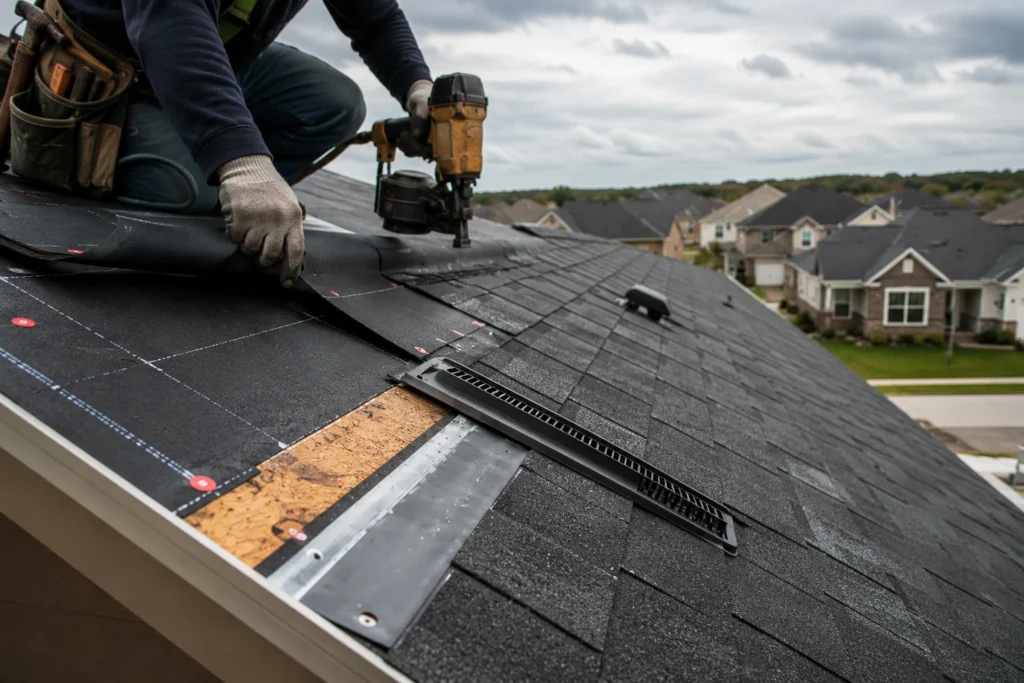
A roof claim can look settled on paper while major costs are still hiding in plain sight. That happens more often than homeowners realize. In many Texas storms, the initial insurance estimate only captures part of the actual damage. That is exactly why Hail Damage Claim Supplements: What Carriers Miss in Their Scope has become such an important topic for property owners trying to recover fairly after severe weather. I have seen it repeatedly. A carrier issues a fast estimate after a hailstorm. The numbers look official. The homeowner feels relieved for a moment. Then the contractor begins work and discovers missing components, code-related upgrades, ventilation issues, flashing damage, or hidden decking deterioration that was never included in the original scope.
Now the project stalls. The homeowner becomes frustrated. The contractor starts requesting supplements. The carrier pushes back. Costs increase. Timelines stretch. This is where Xactimate expertise matters. A properly prepared supplement is not about inflating a claim. It is about accurately documenting the real cost of restoring the property to pre-loss condition. That distinction matters tremendously. Especially in Texas markets like Lewisville, where hail events can produce widespread roof damage and extremely high claim volume within a short period of time. The reality is simple: insurance companies do not always catch everything during the first inspection. Sometimes it is due to time pressure. Sometimes it is caused by incomplete inspections. Sometimes the adjuster simply misses items hidden beneath the roof surface. The result? Incomplete scopes. And incomplete scopes create financial problems for homeowners.
Understanding Hail Damage Claim Supplements
A supplement is essentially an addition or correction to the original insurance estimate. It addresses items that were missed, underpriced, or discovered later during repairs. Supplements are extremely common in hail claims. In fact, most experienced roofing contractors expect them. Why? Because the initial inspection usually happens before tear-off begins. That matters more than many people realize.
Once shingles are removed, contractors often uncover damaged decking, deteriorated flashing, moisture intrusion, ventilation deficiencies, and installation issues that could not be fully verified during the first inspection. Here is the important part: those additional costs are often legitimate and necessary. Without supplementation, homeowners may end up paying out of pocket for repairs that should have been covered under the policy.
Common Reasons Supplements Become Necessary
| Reason for Supplement | Why It Happens |
| Hidden decking damage | Damage cannot be fully seen before tear-off |
| Missing flashing items | Adjusters may overlook small metal components |
| Code upgrades | Local building codes require additional work |
| Material pricing changes | Costs fluctuate rapidly after major storms |
| Ventilation requirements | Roof systems must meet current standards |
| Steep roof charges | Additional labor and safety costs apply |
In Lewisville, large storm events can overwhelm carrier response teams. Catastrophe adjusters may inspect dozens of homes daily. Under those conditions, detailed scope accuracy sometimes suffers. That is not speculation. It is the reality of high-volume storm response.
Why Initial Carrier Scopes Often Miss Important Items
Insurance carriers operate under intense pressure after a hailstorm. Claims surge overnight. Inspection demand skyrockets. Adjusters move rapidly between properties trying to process enormous workloads. That speed creates room for omissions. Sometimes the missed items are small individually but significant collectively. Other times the missing scope components are massive.
I have seen estimates missing entire ventilation systems. I have seen steep-charge omissions worth thousands of dollars. I have seen underlayment ignored completely. These gaps matter because roofing systems work as complete assemblies. You cannot properly restore one part while ignoring another.
Commonly Missed Roofing Components
- Starter shingles
- Ridge cap shingles
- Ice and water barriers
- Drip edge flashing
- Pipe jack flashing
- Valley metal
- Ridge ventilation
- Chimney flashing
- Step flashing
- Decking replacement
- Permit fees
- Dumpster and haul-off costs
- Steep roof labor charges
Missing even several of these line items can dramatically reduce the claim payout. And unfortunately, many homeowners do not realize the omissions until work has already started.
Why Xactimate Expertise Changes Everything
Xactimate is the dominant estimating software used throughout the insurance property claim industry. Carriers use it. Contractors use it. Public adjusters use it. But software alone does not create accuracy. The expertise behind the estimate is what matters. An experienced estimator understands how line items interact, when code upgrades apply, and how local pricing impacts repair costs. That knowledge can dramatically affect the final claim value. This is where Hail Damage Claim Supplements: What Carriers Miss in Their Scope becomes more than just a technical discussion. It becomes a financial protection strategy for homeowners.
Why Line Item Accuracy Matters
A poorly written estimate may technically include a roof replacement while still underpaying the project substantially.
For example:
| Missing Item | Potential Impact |
| Steep charges omitted | Reduced labor compensation |
| Ventilation not included | Incomplete roof system |
| Underlayment missing | Major material shortage |
| Flashing excluded | Water intrusion risk |
| Waste factor underestimated | Material shortages during install |
Small estimate errors add up quickly. Especially on larger homes. Especially after severe hailstorms. Especially in Lewisville neighborhoods where roof complexity varies significantly between properties.
Underlayment Is Frequently Overlooked
Underlayment sits beneath the shingles and acts as a secondary moisture barrier. It is one of the most important protective components of the roof system. Yet it often receives minimal attention during initial inspections.
Why? Because it is hidden. Adjusters cannot fully inspect underlayment without tear-off. That limitation alone creates supplementation opportunities once repairs begin. In some cases, existing underlayment no longer meets code requirements. In others, moisture damage or installation deficiencies require replacement. This becomes especially important after hail impacts compromise shingle integrity and expose the roof system to water infiltration.
A complete supplement package should include:
- Photos during tear-off
- Moisture evidence
- Manufacturer requirements
- Code references
- Detailed Xactimate line items
Documentation wins claims. Not emotion.
Flashing Damage Creates Major Problems
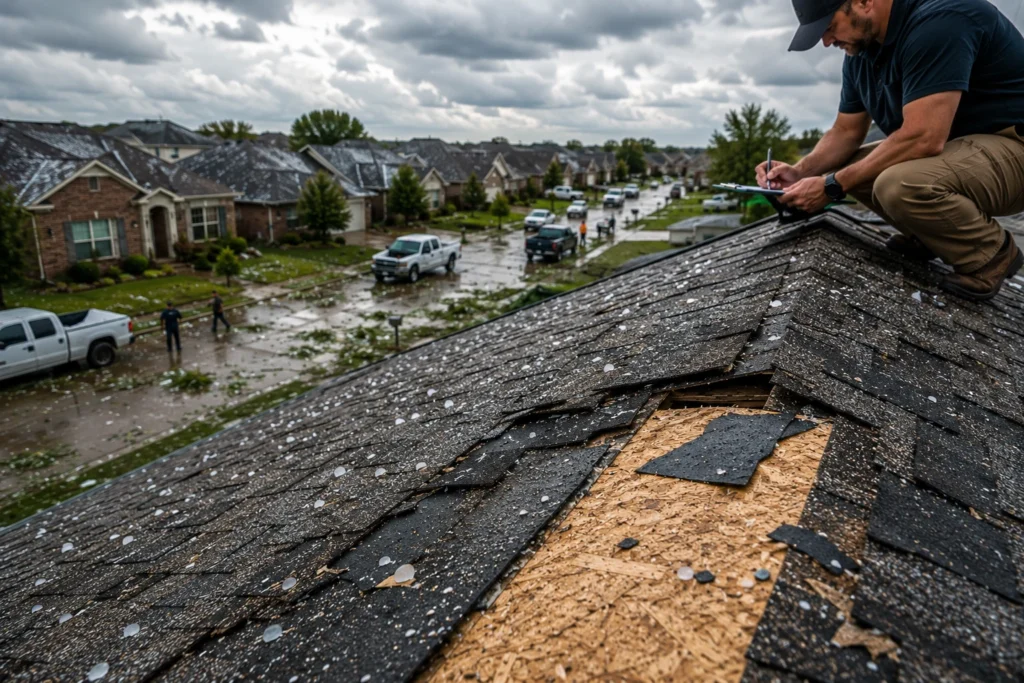
Flashing components protect vulnerable roof transitions and penetrations. When flashing fails, leaks often follow. Yet flashing is one of the most under-scoped portions of hail claims. I see this constantly. The original estimate may include shingles but exclude step flashing, chimney flashing, or valley metal entirely. That creates problems because roofing systems are interconnected. New shingles installed against compromised flashing increase future leak risk.
Flashing Components Often Missed
- Step flashing
- Counter flashing
- Chimney flashing
- Wall flashing
- Pipe flashing
- Valley metal
- Drip edge
Insurance carriers sometimes classify these items as reusable. Contractors frequently disagree based on condition, code compliance, or installation requirements. This is where detailed Xactimate knowledge becomes critical. An experienced estimator knows how to properly document why replacement is necessary.
Roof Ventilation Is Another Major Supplement Area
Ventilation directly affects roof lifespan, attic moisture control, and heat regulation. Improper ventilation can void manufacturer warranties. Yet many insurance scopes fail to address ventilation upgrades entirely. That creates long-term risk for homeowners.
Common Ventilation Issues
- Insufficient intake ventilation
- Missing ridge vents
- Damaged turbine vents
- Improper exhaust balance
- Code-required upgrades
A proper supplement should evaluate the roof system as a whole. Not just the visible shingles. This is one reason experienced public adjusters and contractors spend significant time reviewing carrier scopes line by line. The details matter.
Steep and High Roof Charges Are Frequently Underpaid
Roofing labor changes dramatically depending on roof pitch and accessibility.
A steep roof requires:
- Additional safety equipment
- Slower installation pace
- More labor intensity
- Increased fall protection measures
Yet some initial insurance estimates either minimize or completely omit steep charges. That can create major payment shortages.
Why Steep Charges Matter
| Roof Condition | Additional Impact |
| Multi-story roof | Increased safety setup |
| Steep slope | Slower production rates |
| Limited access | Higher labor difficulty |
| Complex roof design | Additional installation time |
In Hail Damage Claim Supplements: What Carriers Miss in Their Scope, this is one of the most overlooked financial areas. Especially after catastrophic hail events.
Hidden Decking Damage Changes Claims Fast
This is one of the biggest supplement triggers in roofing claims.
Once shingles are removed, contractors may discover:
- Rot
- Delamination
- Moisture saturation
- Structural weakness
- Previous leak damage
None of that may have been visible during the original inspection. And none of it can simply be ignored. Roof decking provides structural support for the entire roofing system. Compromised decking requires replacement before new shingles can be installed properly. That means supplemental costs. And those costs are often substantial.
Proper Decking Documentation Includes
- Tear-off photos
- Measurement verification
- Moisture evidence
- Structural observations
- Xactimate quantity calculations
Without documentation, disputes become much harder to resolve.
Interior Damage Often Gets Underestimated
Hail claims do not always stop at the roof. Water intrusion frequently causes interior damage that homeowners overlook initially.
That may include:
- Ceiling staining
- Wet insulation
- Drywall deterioration
- Paint damage
- Flooring issues
- Mold growth concerns
Some homeowners focus so heavily on the roof that they forget to inspect the interior entirely. That is a mistake. Interior damage can significantly affect the overall claim value. And once repairs begin, identifying the full extent becomes even more important.
One area homeowners often overlook during supplements is moisture migration beneath the roof assembly. Water intrusion can travel far from the original impact zone, especially after prolonged exposure following hail events. In some advanced inspections, contractors even use concepts related to capillary action to explain how water moves through tiny gaps and roofing materials after storm damage compromises the system. That hidden moisture movement frequently leads to additional decking replacement, insulation damage, and interior repairs that were never included in the original insurance scope.
How Proper Supplements Are Built
A strong supplement package is organized, detailed, and evidence-driven. It is not just a contractor saying, “We need more money.” That approach rarely works. Instead, successful supplements rely on documentation.
A Strong Supplement Typically Includes
- Detailed Xactimate estimate
- Roof diagrams
- Photo reports
- Manufacturer specifications
- Building code references
- Contractor notes
- Measurement reports
- Material invoices if applicable
The strongest claims remove ambiguity. That is the goal. When supplements are vague, disputes increase. When supplements are organized and technical, approvals become more likely.
Real-World Supplement Scenario
Let us look at a realistic example.
Initial Carrier Scope
| Included Item | Amount |
| Basic shingle replacement | Included |
| Minimal underlayment | Included |
| Basic labor | Included |
At first glance, it looks acceptable.
But once tear-off begins, additional issues emerge:
- Damaged decking
- Missing drip edge
- Inadequate ridge ventilation
- Steep roof sections
- Code-required ice barrier
- Flashing deterioration
Now the contractor submits a supplement.
Supplemental Items Added
| Supplemental Item | Reason |
| Decking replacement | Structural damage |
| Ridge vent upgrade | Code compliance |
| Step flashing replacement | Water protection |
| Steep charges | Safety and labor |
| Ice barrier | Local code requirement |
The final approved claim may increase dramatically. Not because anyone inflated the loss. Because the original scope was incomplete.
Why Code Upgrades Matter
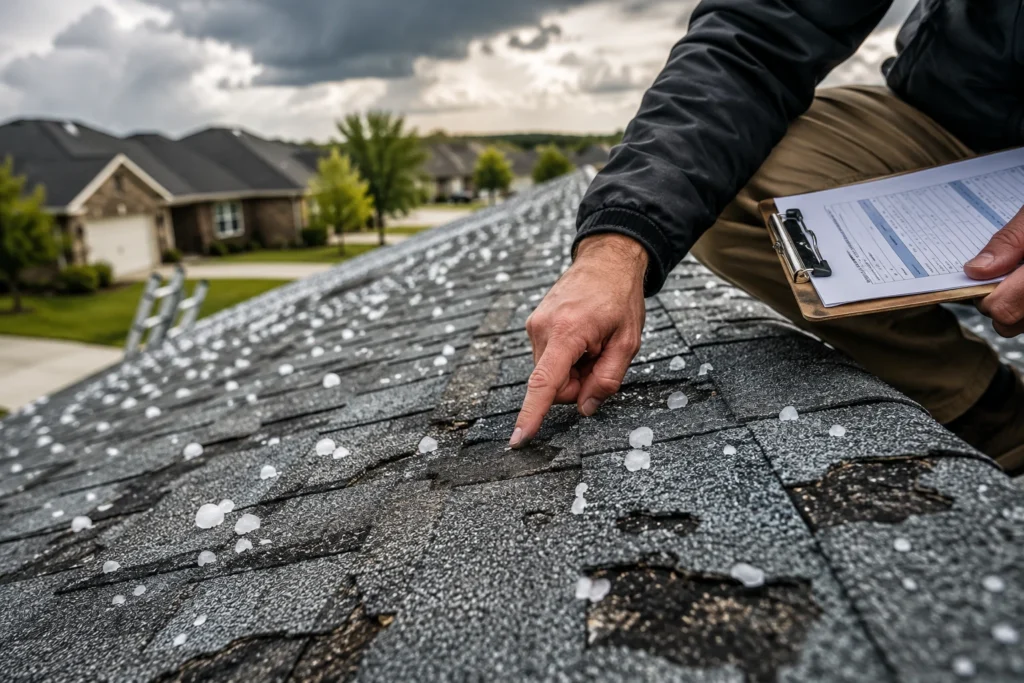
Building codes evolve constantly. What was acceptable fifteen years ago may no longer meet current standards. This creates supplementation opportunities during roof replacements.
Common code-related supplement items include:
- Ice and water barriers
- Drip edge installation
- Ventilation requirements
- Deck attachment standards
- Flashing upgrades
Many policies include ordinance and law coverage specifically for these situations. But if nobody identifies the code requirement, the homeowner may never receive compensation for it. That is a critical point.
Carrier Pushback Is Common
Not every supplement gets approved immediately.
Carriers may respond with:
- Reinspection requests
- Partial approvals
- Scope disagreements
- Pricing disputes
- Matching denials
This process can frustrate homeowners quickly. Especially when repairs are already underway. That is why consistent documentation matters so much. The more organized the evidence, the stronger the supplement position becomes.
Homeowners should also understand that a denied claim is not always the final answer. Many policyholders searching for guidance on What to Do If Your Hail Claim Was Denied in Lewisville, TX discover that supplemental documentation, detailed Xactimate estimates, engineering reports, and professional claim reviews can sometimes reopen negotiations and uncover overlooked damage the carrier initially failed to include.
Why Public Adjusters Help With Supplement Negotiations
Public adjusters review claims from the policyholder’s perspective. That changes the dynamic significantly.
Instead of accepting the initial scope at face value, they analyze:
- Line item accuracy
- Missing components
- Code requirements
- Pricing consistency
- Scope completeness
This level of review often uncovers substantial omissions. Especially in high-volume hail events.
What Public Adjusters Commonly Identify
- Underpriced labor
- Missing accessories
- Ventilation deficiencies
- Flashing omissions
- Waste factor errors
- Incomplete measurements
For homeowners in Lewisville, supplement negotiations can become extremely technical. Having someone who understands both policy language and Xactimate structure can make a major difference.
Signs Your Scope May Be Incomplete
Homeowners often ask how they can identify under-scoped claims. Several warning signs appear repeatedly.
Red Flags To Watch For
- Extremely low roof replacement totals
- Missing ventilation components
- No flashing replacement listed
- Minimal waste percentages
- No steep charges on steep roofs
- No permit fees included
- No decking allowance
- No code upgrade references
If multiple items are missing, the estimate deserves closer review. Absolutely.
Documentation Is the Foundation of Every Successful Supplement
This cannot be overstated. Photos matter. Measurements matter. Code references matter. Detailed notes matter. The strongest supplement packages create a clear story showing why additional work is necessary. Weak documentation creates delays. Strong documentation creates leverage.
Best Documentation Practices
- Take wide-angle roof photos
- Photograph all damaged components
- Capture tear-off conditions
- Save manufacturer specifications
- Keep communication records organized
- Document code references carefully
Claims are evidence-driven environments. The better the evidence, the stronger the supplement position becomes.
Why Accurate Supplements Protect Property Value
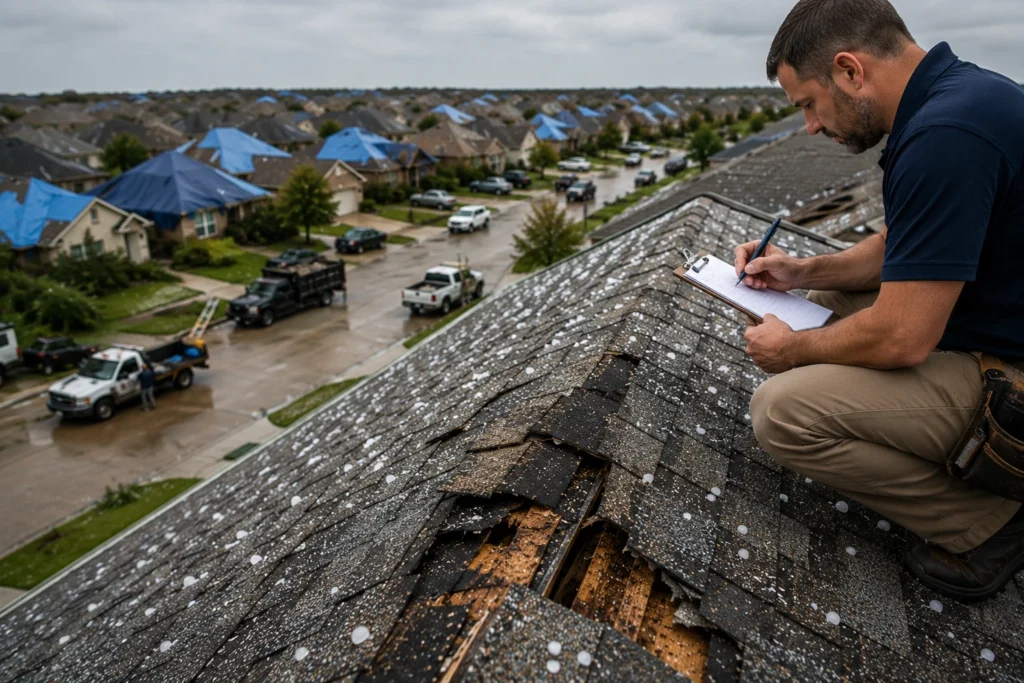
An underpaid claim can lead to incomplete repairs. Incomplete repairs create future problems.
That can include:
- Premature roof failure
- Ventilation issues
- Moisture intrusion
- Warranty problems
- Reduced resale value
A properly supplemented claim helps ensure the property is restored correctly the first time. That matters long term. Especially in competitive real estate markets like Lewisville where roof condition directly affects buyer confidence.
Final Thoughts
Storm claims move fast. Too fast sometimes. After a major hail event, homeowners often assume the insurance estimate is final and complete simply because it came from the carrier. But the reality is far more complicated. Roofing systems are complex. Damage evolves during tear-off. Hidden conditions emerge. Code requirements apply. Material costs fluctuate. That is why Hail Damage Claim Supplements: What Carriers Miss in Their Scope remains such an important discussion for Texas property owners. Supplements are not about creating conflict. They are about creating accuracy. And accuracy matters.
Especially when thousands of dollars in missed scope items can directly affect the quality of the final repair. In Lewisville, where hailstorms routinely create significant roofing losses, understanding the supplement process can help homeowners avoid costly mistakes and incomplete settlements. A detailed Xactimate review, strong documentation, and careful scope analysis often reveal issues that the original estimate simply missed. The goal is simple: restore the property correctly, safely, and completely. That requires expertise. And in many hail claims, expertise changes everything.
FAQs
A hail damage claim supplement is an additional request submitted to the insurance carrier for repair items missed in the original estimate.
Initial inspections are often completed quickly after storms, which can lead to overlooked damage, missing line items, or incomplete measurements.
Xactimate is estimating software used to calculate repair costs, material pricing, labor, and roofing line items during insurance claims.
Yes. Properly documented supplements may increase the approved claim amount if additional covered damage is identified.
Commonly missed items include flashing, ventilation, underlayment, steep charges, decking replacement, and code upgrades.
Sometimes, but accurate supplements often prevent bigger financial problems later by ensuring repairs are completed properly the first time.
Absolutely. Contractors frequently discover decking damage, moisture intrusion, or structural problems once shingles are removed.
Take photos of roof damage, gutters, attic leaks, interior staining, and all contractor or insurance paperwork.
In some situations, additional evidence, engineering reports, or detailed supplements may help reopen negotiations with the carrier.
Lewisville experiences severe hailstorms that can create complex roof damage and rushed insurance inspections with incomplete scopes.