
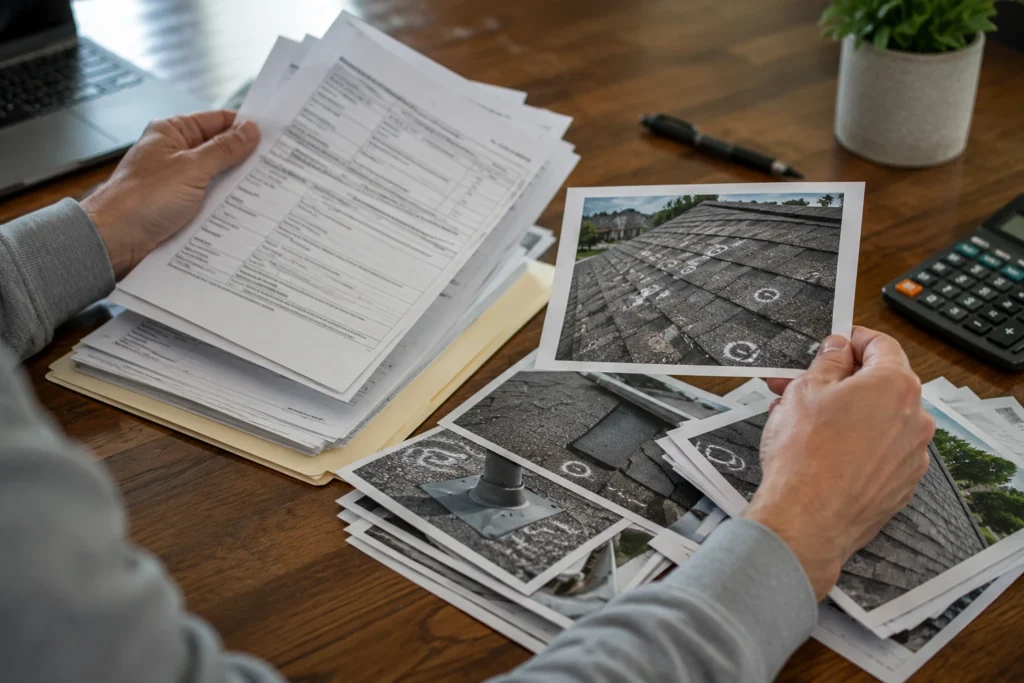
A denied roof claim can feel like getting hit twice by the same storm. First comes the hail. Then comes the letter saying your insurance company will not pay for the damage you believe exists. For many homeowners searching for answers about What to Do If Your Hail Claim Was Denied in Lewisville, TX, the frustration is immediate. You pay premiums for years. You expect help after a damaging storm. Instead, you receive confusing policy language, low estimates, or outright denials.
It happens more often than people realize. North Texas storms are aggressive. Lewisville sees intense hail activity, high winds, and fast-moving weather systems capable of damaging roofing materials in minutes. Yet many homeowners are told the damage is simply “wear and tear” or “cosmetic.” Others hear there was “insufficient storm-created damage” to justify approval.
That does not always mean the denial is correct. The good news? A denied hail claim is not always the final decision. Many claims are successfully reopened, supplemented, renegotiated, or overturned after stronger evidence is presented. The process requires patience, organization, and strategy. Emotional arguments rarely move claims forward. Documentation does. This guide breaks down exactly what homeowners should do next after a denied hail claim in Lewisville, TX. Step by step.
Why Hail Claims Get Denied in Texas
Insurance companies deny claims for specific reasons. Understanding those reasons matters because your response strategy depends on the denial itself. Here are some of the most common explanations homeowners receive.
| Denial Reason | What It Usually Means |
| Wear and tear | Insurer believes roof aging caused issues |
| Cosmetic damage only | Damage exists but insurer says functionality unaffected |
| Insufficient evidence | Photos or inspection details were limited |
| Late filing | Claim reported too long after storm |
| Pre-existing damage | Carrier believes issues existed before hail |
| Improper maintenance | Roof allegedly neglected |
| No storm-created openings | Insurer disputes water intrusion source |
Some denials are legitimate. Others are incomplete. Sometimes the inspection itself simply missed damage. That happens constantly after large hail events when adjusters are overloaded with claims and inspections move quickly.
How Insurance Adjusters Evaluate Roof Damage
Understanding the inspection process helps homeowners identify weaknesses in the original claim.
Insurance adjusters typically examine:
- Shingles
- Flashing
- Roof vents
- Ridge caps
- Gutters
- Downspouts
- Soft metals
- Skylights
- HVAC units
- Window screens
The challenge is this: not all hail damage looks dramatic immediately. Some impacts bruise shingles beneath the surface. Some fractures become visible only after heat exposure and expansion cycles. Other issues appear during tear-off when underlayment and decking become exposed. Quick inspections sometimes miss critical indicators.
Especially on:
- Steep roofs
- Older roofs
- Multi-layer systems
- Metal roofing
- Tile roofing
- Complex rooflines
That is one reason homeowners researching What to Do If Your Hail Claim Was Denied in Lewisville, TX often discover that second inspections produce completely different conclusions.
Wear and Tear vs Legitimate Hail Damage
This is where many disputes begin. Insurance companies often classify roof deterioration as age-related instead of storm-related. The distinction affects everything.
Here’s a simplified comparison:
| Wear & Tear | Hail Damage |
| Uniform aging | Random impact patterns |
| Gradual granule loss | Circular bruising |
| Cracking from heat cycles | Sharp impact fractures |
| Consistent deterioration | Directional storm patterns |
| Manufacturer aging signs | Soft metal denting nearby |
An experienced roofing inspector or public adjuster understands these differences deeply. That expertise matters because poorly documented inspections can cause legitimate storm claims to fail.
Step One: Read the Denial Letter Carefully
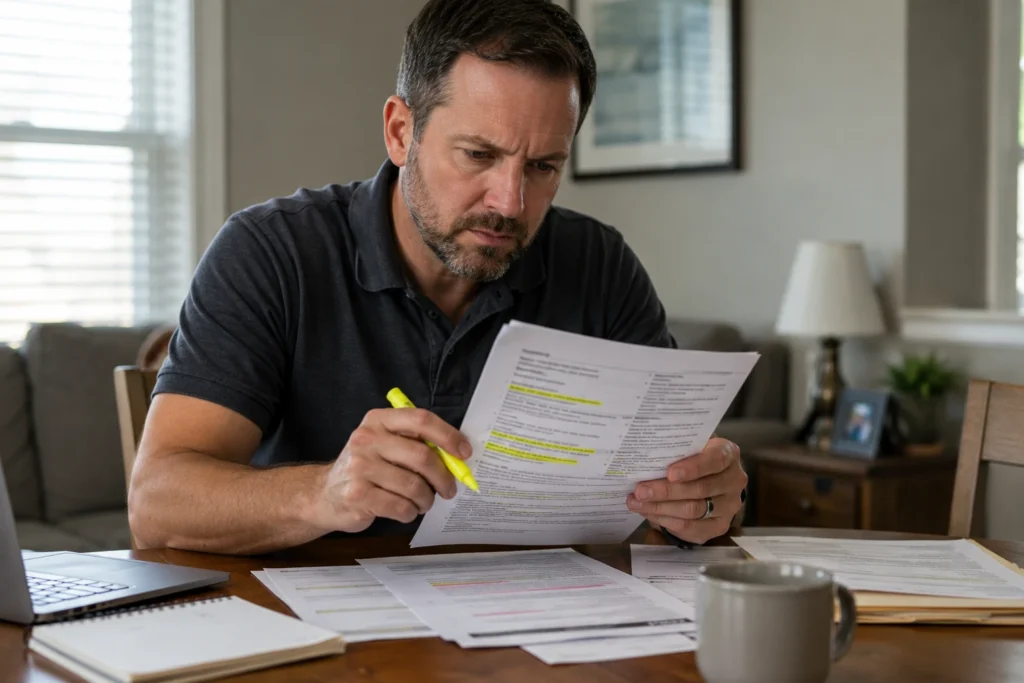
Most homeowners skim denial letters emotionally. Don’t. Slow down and study the wording carefully. Insurance companies choose their language very intentionally.
Pay close attention to phrases like:
- “No functional damage”
- “Mechanical deterioration”
- “Excluded under policy terms”
- “Damage consistent with aging”
- “Unable to verify storm-created damage”
- “Repairs fall below deductible”
These phrases reveal the insurer’s defense position. That becomes important later if you challenge the decision.
Highlight:
- Dates
- Storm references
- Policy exclusions
- Inspection findings
- Claim limitations
You need to understand precisely why the claim was denied before responding effectively.
Step Two: Request the Full Inspection Report
Many homeowners never ask for this. Big mistake.
Request:
- The complete adjuster estimate
- Inspection photos
- Field notes
- Scope reports
- Engineering reports if applicable
- Drone imagery if used
This information helps identify what was missed. Sometimes adjusters photograph only a small roof section. Sometimes they fail to document collateral damage nearby. Occasionally they overlook obvious soft-metal impacts entirely. You cannot build a strong rebuttal without seeing the insurer’s actual findings.
Step Three: Document the Roof Again
Fresh documentation changes claims. Go beyond a few cellphone pictures.
Capture:
- Wide-angle roof views
- Close-up impact marks
- Gutters
- Downspouts
- Roof vents
- Window screens
- Fence staining
- HVAC damage
- Interior leaks
- Ceiling discoloration
Take photos from multiple angles. Use timestamps whenever possible. If safe access is unavailable, hire a professional roofing inspector instead of climbing the roof yourself. Safety matters more than photographs.
The Importance of Weather Documentation
Storm verification strengthens denied claims significantly.
Gather:
- NOAA storm reports
- Local weather records
- Hail size reports
- Neighborhood damage reports
- Date-specific storm tracking data
Hail maps can help establish storm severity in Lewisville during the claimed event. That evidence matters because carriers sometimes dispute whether damaging hail even occurred near the property. Independent weather verification can weaken that argument quickly.
Why Independent Roof Inspections Matter
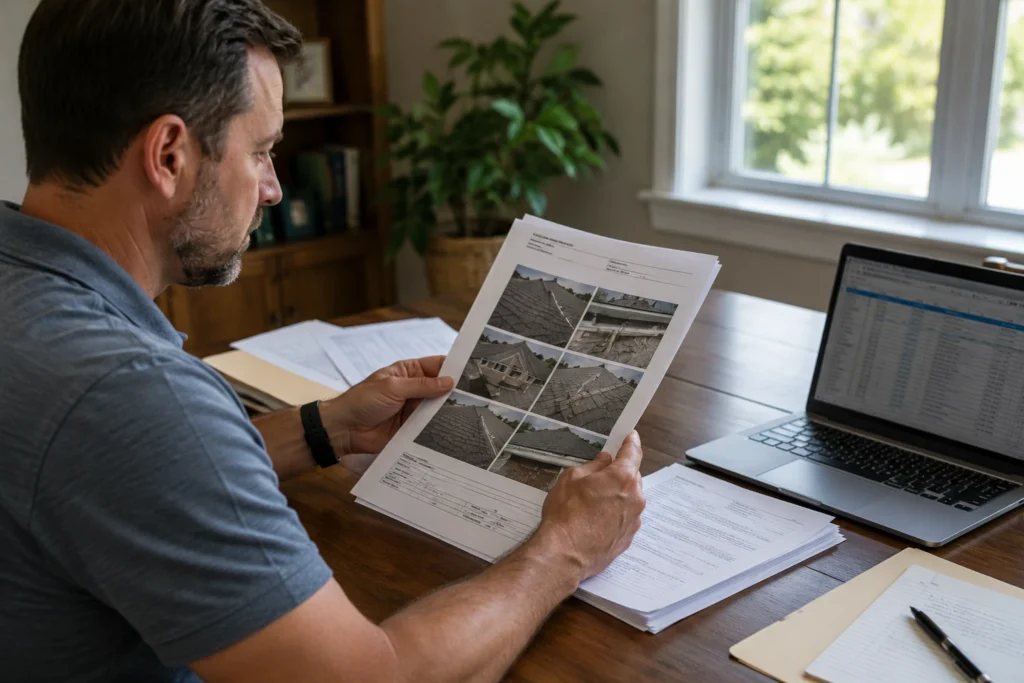
The original inspection may not have been thorough enough. Independent inspections often uncover:
- Hidden bruising
- Underlayment issues
- Flashing damage
- Granule displacement
- Lifted shingles
- Fastener problems
- Ventilation damage
- Decking moisture
A qualified inspector documents far more than surface-level damage. Good inspectors also understand how insurance carriers analyze claims. They know what evidence matters and how to present it properly. That changes outcomes. Homeowners who spend time learning How to Document Hail Damage for an Insurance Claim often build much stronger cases during disputes. Good documentation goes beyond a few roof photos. It includes timestamped images, weather reports, collateral damage evidence, contractor assessments, attic moisture signs, and organized communication records. Insurance companies respond more seriously when evidence is detailed, structured, and difficult to dispute.
What Insurance Companies Commonly Miss
Not all hail damage appears directly on shingles. Some of the strongest claim evidence comes from collateral damage.
Soft Metal Damage
Hail frequently dents:
- Roof vents
- Flashing
- Gutters
- Downspouts
- AC condenser fins
- Metal trim
- Garage doors
These impacts help establish storm intensity. Even when shingles appear borderline, collateral damage patterns often strengthen the claim considerably.
Ventilation Components
Roof vents and turbine systems are vulnerable during hailstorms. Cracked vent caps, damaged flashing, and displaced seals can create long-term leak risks insurers sometimes overlook initially.
Underlayment Damage
The outer roofing layer may not reveal the full story.
During roof tear-off, contractors sometimes discover:
- Torn underlayment
- Saturated decking
- Compromised fasteners
- Hidden moisture intrusion
These findings often lead to supplemental claim negotiations.
The Role of Attic Inspections
Many homeowners never inspect the attic after a hailstorm. That is a mistake. Attics often reveal hidden problems insurers initially miss.
Look for:
- Water stains
- Damp insulation
- Mold growth
- Decking discoloration
- Nail pops
- Active leaks
- Condensation problems
Photograph everything carefully. Interior evidence strengthens causation arguments significantly. A roof claim becomes stronger when exterior storm impacts connect clearly to interior performance issues.
Understanding Supplemental Damage Claims
A denied claim is not always permanently closed. Supplemental claims allow additional damage documentation after further inspection or tear-off reveals hidden issues.
Supplements may include:
- Code upgrades
- Flashing replacement
- Ventilation repairs
- Additional slope damage
- Decking replacement
- Underlayment requirements
- Steep roof access charges
Insurance carriers frequently underestimate total repair scope during initial inspections. Supplements exist because hidden damage is common.
What a Public Adjuster Actually Does
Many homeowners confuse public adjusters with insurance adjusters. They are not the same thing. An insurance adjuster represents the carrier. A public adjuster represents the homeowner. That distinction matters enormously during denied hail claims.
A public adjuster typically:
- Reviews the policy
- Documents damage independently
- Builds claim evidence
- Challenges incomplete estimates
- Negotiates directly with insurers
- Manages supplemental requests
- Supports reinspections
Their role centers on maximizing fair claim recovery based on actual documented damage.
Public Adjuster vs Insurance Adjuster
| Feature | Insurance Adjuster | Public Adjuster |
| Represents | Insurance company | Policyholder |
| Goal | Control claim costs | Pursue fair settlement |
| Inspection depth | Often limited by workload | Usually comprehensive |
| Negotiation role | Carrier advocate | Homeowner advocate |
| Damage documentation | Carrier-focused | Policyholder-focused |
That difference explains why many homeowners searching What to Do If Your Hail Claim Was Denied in Lewisville, TX eventually contact a public adjuster after unsuccessful claim attempts.
Why Denied Claims Often Get Reopened
Insurance claims are not always static.
New evidence changes outcomes.
Claims may reopen after:
- Independent inspections
- Engineering reviews
- Contractor findings
- Interior leak discovery
- Additional storm verification
- Supplement documentation
- Policy interpretation disputes
Persistence matters.
Well-supported claims often succeed where rushed or poorly documented claims failed initially.
How to Request a Reinspection
Reinspection requests should stay professional and evidence-based. Avoid emotional accusations.
Instead:
- Present organized documentation
- Provide contractor reports
- Submit weather evidence
- Include clear photographs
- Explain overlooked damage specifically
Insurance companies respond better to structured evidence than frustration alone. That may not feel satisfying emotionally. But it works.
The Importance of Xactimate Estimates
Many roofing and insurance professionals use a platform called Xactimate to estimate repair costs. Understanding this matters because pricing disputes often revolve around estimate scope and line items.
Incomplete estimates may omit:
- Starter shingles
- Ridge caps
- Flashing replacement
- Drip edge
- Ventilation components
- Code-required items
- Tear-off complexity
- Disposal fees
Experienced adjusters and contractors know how to identify missing scope items within estimates. That expertise can increase settlement accuracy substantially.
Texas Insurance Rights Homeowners Should Understand
Texas law provides consumer protections during claim handling. Insurance companies generally must:
- Acknowledge claims promptly
- Investigate reasonably
- Explain denials clearly
- Communicate within required timelines
- Avoid unfair settlement practices
When those standards are not followed, disputes escalate further. Understanding your rights helps homeowners stay proactive instead of intimidated during the process.
Signs of Potential Bad Faith Claim Handling
Not every denial is bad faith. But certain behaviors raise concerns.
Potential warning signs include:
- Repeated unexplained delays
- Incomplete inspections
- Ignoring evidence
- Misrepresenting policy terms
- Refusing to explain decisions
- Unrealistically low estimates
- Failure to respond consistently
Documentation becomes critical in these situations.
Keep:
- Emails
- Inspection reports
- Call logs
- Letters
- Photos
- Claim timelines
Organization creates leverage.
When Attorneys Become Involved
Not every denied claim requires legal action. Many disputes resolve through:
- Supplemental negotiations
- Reinspections
- Public adjuster involvement
- Additional evidence submission
However, some severe disputes eventually require legal review.
Especially when:
- Large financial losses exist
- Communication breaks down
- Coverage disputes intensify
- Bad faith allegations arise
Legal escalation typically happens after negotiation efforts fail.
Real-World Lewisville Claim Scenario
Consider a common example A Lewisville homeowner files a hail claim after a severe spring storm.
Initial insurance outcome:
- Claim denied
- Carrier cites roof aging
- Minimal soft-metal documentation
- No interior inspection performed
The homeowner requests an independent inspection.
Findings include:
- Directional hail impacts
- Damaged flashing
- Vent dents
- Compromised ridge caps
- Water intrusion signs in attic
- Underlayment concerns
Weather reports confirm golf-ball-sized hail in the area.
A detailed supplemental package gets submitted. Result? The claim reopens. Final approved settlement exceeds $29,000 after negotiations conclude. Same roof. Same storm. Different documentation quality. That happens constantly.
Mistakes Homeowners Make After Denial
Some reactions unintentionally weaken future negotiations.
Avoid these mistakes:
- Throwing away damaged materials
- Delaying inspections too long
- Ignoring attic evidence
- Accepting verbal explanations only
- Failing to document communications
- Hiring inexperienced contractors
- Posting emotional accusations online
Stay strategic.
Claims are evidence battles. Not emotion battles.
How Roof Age Affects Hail Claims
Older roofs create more complicated disputes.
Insurance companies often argue:
- Existing deterioration existed already
- Materials were nearing end-of-life
- Storm impacts were cosmetic only
But older roofs can still sustain legitimate hail damage. Age alone does not eliminate coverage automatically. The key question becomes whether storm-created damage accelerated failure or compromised functionality. That distinction matters greatly.
The Importance of Local Experience in Lewisville
Local storm patterns matter. Lewisville roofing claims differ from claims in other regions because North Texas weather is unusually aggressive.
Experienced local professionals understand:
- Regional hail trends
- Common insurer responses
- Local code requirements
- Roofing material performance
- Storm tracking patterns
That regional familiarity often improves claim documentation quality significantly. Insurance disputes sometimes become surprisingly technical, especially when engineering opinions, material science, and long-term roof performance debates enter the conversation. In some complex evaluations, concepts related to topological vector space modeling are even discussed within broader structural analysis and advanced mathematical systems used in engineering research.
Building a Strong Claim File
Think of your claim like a legal case file.
Strong files typically include:
- Photos
- Weather reports
- Contractor assessments
- Inspection notes
- Communication logs
- Policy copies
- Repair invoices
- Maintenance records
The more organized the file becomes, the harder it is to dismiss legitimate damage concerns casually.
Preparing Before the Next Storm
The best claim strategy starts before damage happens.
Smart homeowners:
- Photograph roofs annually
- Save repair receipts
- Track roof age
- Store warranties digitally
- Inspect attics periodically
- Keep policy copies accessible
Preparation reduces chaos after major storms. And chaos is exactly what overwhelms homeowners after widespread hail events.
Understand Your Policy Before You Need It
Many people read insurance policies only after claims get denied. By then, stress levels are already high.
Review:
- Deductibles
- Cosmetic damage exclusions
- Replacement cost provisions
- Actual cash value clauses
- Matching endorsements
- Ordinance and law coverage
Those details affect settlement outcomes dramatically.
Final Thoughts on What to Do If Your Hail Claim Was Denied in Lewisville, TX
A denial letter feels discouraging. Sometimes infuriating. But it is not always final. Homeowners dealing with What to Do If Your Hail Claim Was Denied in Lewisville, TX should understand something important: many denied claims succeed later because stronger evidence eventually surfaces. Better inspections happen. Supplemental damage appears. Documentation improves. Negotiations become more organized.
The key is responding strategically. Not emotionally. Take the time to gather evidence carefully. Request reports. Document everything. Understand your policy. Bring in experienced professionals when necessary. And most importantly, do not assume the first inspection told the full story. Storm damage disputes are rarely simple. But homeowners who stay organized, persistent, and informed place themselves in a far stronger position to pursue a fair outcome after a denied hail claim in Lewisville, TX.
FAQs
Yes. Many denied claims are reopened after additional inspections, stronger documentation, or supplemental damage evidence is submitted.
Timelines vary by policy, but homeowners should act quickly after receiving a denial to avoid missing important deadlines.
Insurance companies often deny claims by labeling the damage as wear and tear, cosmetic damage, or insufficient storm-related evidence.
Absolutely. Independent inspections frequently uncover damage that was missed or underestimated during the original inspection.
Yes. Older roofs can still sustain legitimate hail damage if the storm caused functional or structural issues covered by the policy.
Photos, weather reports, contractor assessments, attic damage, and collateral hail impacts all help support a stronger claim.
A public adjuster documents damage, reviews the policy, negotiates with the insurer, and helps build a stronger claim file.
Typically, a reinspection alone does not directly raise premiums, though regional claim trends can influence overall insurance pricing.
Supplemental damage refers to additional storm-related issues discovered after deeper inspections or roof tear-off begins.
They are extremely valuable because they help confirm storm dates, hail size, and the likelihood of legitimate damage in Lewisville, TX.