
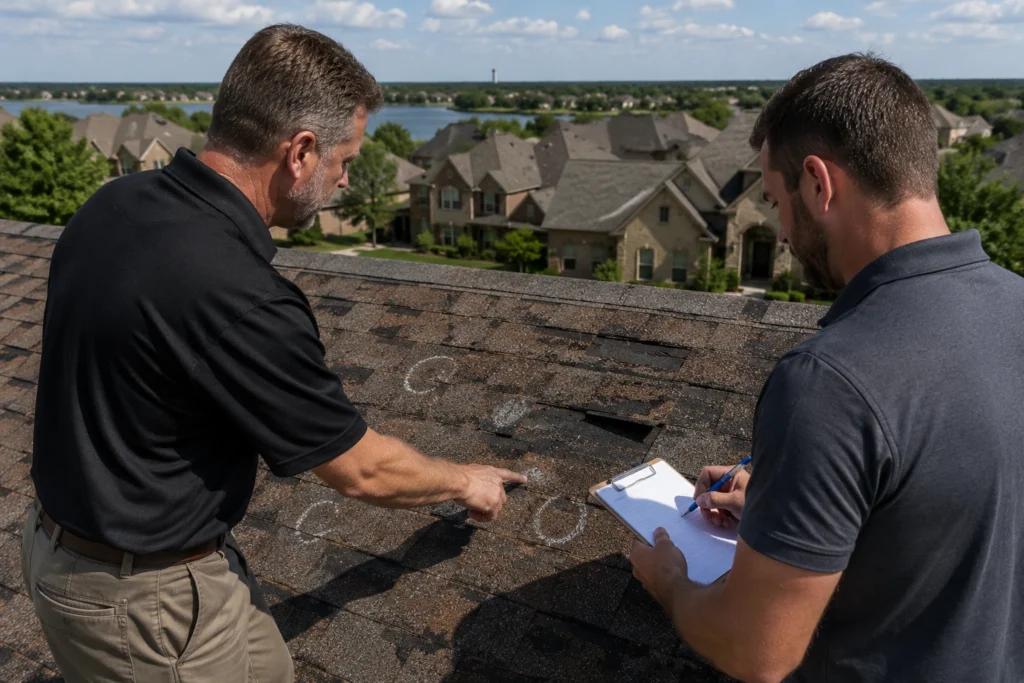
A hailstorm can last fifteen minutes. The financial consequences can drag on for months. That’s why understanding a proper hail damage roof insurance claim process matters so much for homeowners trying to protect both their property and their wallet. The challenge is simple. Roof damage is not always obvious. Some shingles look fine from the driveway while the underlying structure is already compromised. Insurance carriers may identify some damage while overlooking other sections completely. Contractors may disagree on repair scope. Homeowners get caught in the middle.
That situation plays out constantly across Texas, especially in storm-prone areas like Lewisville where hail events can move through quickly and leave widespread roofing damage behind. A strong claim starts long before negotiations begin. It starts with documentation, smart decisions, and understanding how the insurance process actually works. The homeowners who prepare carefully often place themselves in a far stronger position financially. Let’s break down how to protect your roof, strengthen your claim, and avoid costly mistakes after a hailstorm.
Understanding How Hail Damages Roofing Systems
Hail impacts more than shingles. Much more. When large hailstones strike a roof, the force spreads across multiple components simultaneously. Some damage becomes visible immediately. Other issues remain hidden until leaks begin weeks later. That’s where many homeowners get blindsided.
Why Hail Damage Is More Serious Than It Looks
A roof system works as a layered barrier. Once one component weakens, surrounding materials can begin failing too.
Commonly affected areas include:
- Asphalt shingles
- Underlayment
- Flashing
- Ridge vents
- Gutters
- Skylights
- Metal roof panels
- Siding near roof lines
Even small fractures can allow moisture infiltration over time. And moisture rarely stays isolated.
Common Signs of Roof Hail Damage
Several warning signs appear repeatedly during a hail damage roof insurance claim inspection.
| Damage Type | What It Looks Like | Why It Matters |
| Granule Loss | Bare spots on shingles | Accelerates roof aging |
| Bruising | Soft impact spots | Weakens shingle integrity |
| Cracked Shingles | Visible splits or fractures | Allows water intrusion |
| Dented Flashing | Metal impact marks | Indicates storm severity |
| Loose Seal Strips | Lifted shingles | Increases wind vulnerability |
Inside the home, you may also notice:
- Ceiling discoloration
- New attic moisture
- Dripping during rain
- Mold odors
- Peeling paint near upper walls
Sometimes homeowners focus only on leaks. Big mistake. A roof can suffer major functional damage before water ever enters the home.
Why Hidden Damage Creates Insurance Problems
Insurance disputes often begin because hidden damage exists beneath the visible surface. A carrier adjuster may inspect quickly and approve minor repairs. Weeks later, contractors uncover damaged underlayment, compromised decking, or fractured ventilation systems requiring broader repairs. That’s where supplements enter the process later. But timing matters. Documentation matters even more.
Immediate Steps to Take After a Hailstorm
The hours after a storm are critical. Not because you need to panic. You don’t. But because early decisions directly affect claim outcomes later.
Step 1: Prioritize Safety
Never climb onto a damaged roof immediately after a storm. Surfaces become slippery. Structural areas may weaken unexpectedly. Power hazards may exist nearby.
Instead:
- Inspect from ground level first
- Look for fallen debris
- Watch for exposed electrical lines
- Check attic spaces carefully
Safety first. Claims second.
Step 2: Document the Storm Quickly
This is where smart homeowners separate themselves. Insurance companies pay based on evidence. Not assumptions.
Take:
- Wide-angle photos of the roof
- Close-up hail impacts
- Damaged gutters
- Broken windows
- Dented HVAC units
- Fence impacts
- Tree damage
- Interior water stains
Use timestamps whenever possible. Video walkthroughs help too. Narrating the damage while recording creates additional context later during disputes. Many homeowners searching for guidance on How to Document Hail Damage for an Insurance Claim underestimate how valuable organized photo timelines and inspection notes become later in negotiations. In Lewisville, strong spring hailstorms often move through rapidly, which means early weather documentation can become valuable evidence if claim disagreements arise later.
Step 3: Prevent Further Damage
Policies generally require homeowners to mitigate additional loss after damage occurs. That means temporary protective steps matter.
Examples include:
- Tarping exposed roof sections
- Removing standing water
- Covering broken windows
- Protecting personal belongings
Save every receipt. Emergency mitigation costs may become reimbursable within the hail damage roof insurance claim.
Step 4: Schedule a Professional Roof Inspection
Not every contractor provides the same inspection quality. Choose carefully.
A detailed roofing inspection should include:
- Slope-by-slope evaluation
- Soft metal inspection
- Attic assessment
- Ventilation review
- Photo documentation
- Written findings
Avoid contractors promising “free roofs” before inspections even begin. Strong contractors focus on evidence first.
How a Hail Damage Roof Insurance Claim Works
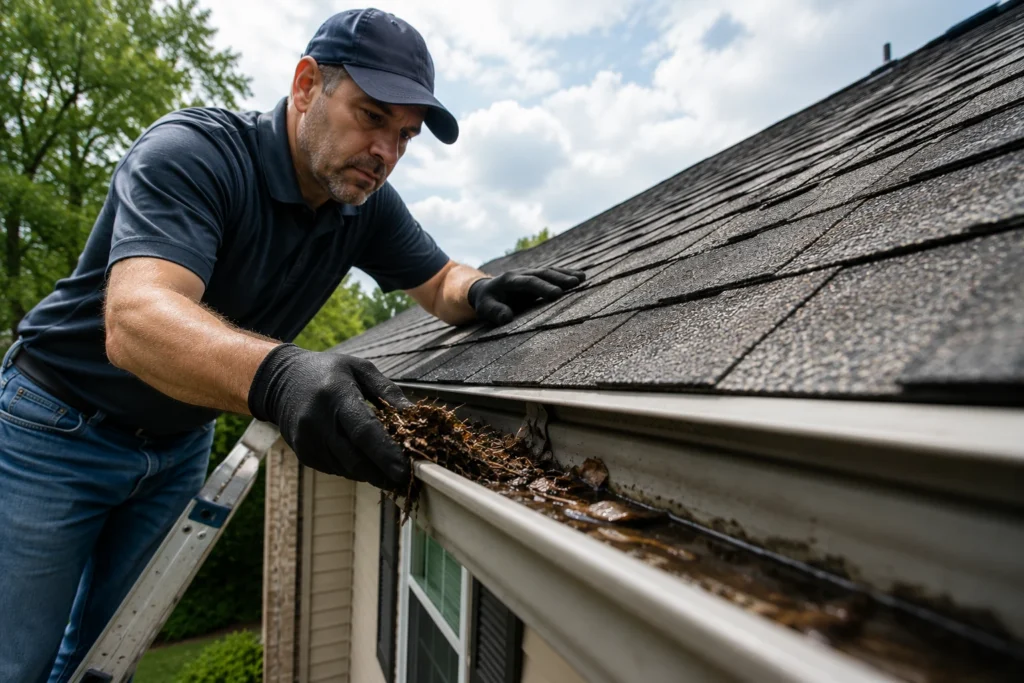
The process feels confusing for many homeowners because several moving parts operate simultaneously. Let’s simplify it.
Filing the Initial Claim
Once damage is confirmed, homeowners contact their insurance carrier.
Typical information requested includes:
- Date of loss
- Storm description
- Property address
- Visible damage observations
- Emergency repair details
The carrier then assigns an adjuster to inspect the property.
What Insurance Adjusters Look For
Adjusters typically inspect:
- Roof surfaces
- Flashing
- Gutters
- Siding
- Exterior elevations
- Windows
- HVAC units
- Detached structures
Some inspections are extremely thorough. Others move fast. That inconsistency creates many claim disputes because roofing damage assessments involve judgment calls. Two adjusters can evaluate the same roof differently.
Understanding Insurance Estimates
After inspection, the carrier usually produces a scope estimate.
This estimate outlines:
- Approved repairs
- Material quantities
- Labor pricing
- Depreciation calculations
- Deductible deductions
Homeowners should review this carefully. Very carefully. Because incomplete estimates happen constantly during hail damage roof insurance claim situations. Entire discussions around Hail Damage Claim Supplements: What Carriers Miss in Their Scope often center on overlooked flashing, ventilation systems, steep charges, and hidden underlayment damage that never appeared in the original estimate.
Understanding RCV vs ACV
This matters financially.
| Coverage Type | Meaning | Financial Impact |
| Replacement Cost Value (RCV) | Full replacement cost | Higher reimbursement potential |
| Actual Cash Value (ACV) | Depreciated value | Lower upfront payout |
Recoverable depreciation may become payable after repairs complete. Many homeowners misunderstand this portion entirely until contractors explain it later.
What Insurance Companies Commonly Miss
This section matters more than people realize. Visible shingles are only part of the system.
Commonly overlooked items include:
- Ice and water shield
- Starter shingles
- Ridge ventilation
- Flashing replacement
- Drip edge
- Underlayment
- Code upgrades
- Steep roof charges
- High roofing access costs
Those omissions can create thousands of dollars in differences between actual repair costs and initial claim payments. That’s why detailed review matters.
Why Documentation Can Make or Break Your Claim
Strong documentation changes everything. Weak documentation creates delays, disputes, and underpayments. Simple as that.
Best Practices for Claim Documentation
A well-organized homeowner often has stronger leverage during negotiations. Recommended documentation includes:
- Date-stamped photos
- Contractor inspection reports
- Storm reports
- Roofing invoices
- Communication logs
- Temporary repair receipts
- Insurance letters
- Claim summaries
Create one digital folder containing everything. That organization helps tremendously later if disputes escalate. Strong documentation creates structure during complex claims, much like how systems in Topological manifold theory rely on interconnected relationships beneath the surface.
Weather Reports Matter More Than You Think

Storm tracking data often supports claim timelines.
Useful sources may include:
- NOAA weather records
- Hail maps
- Local storm reports
- Radar timelines
These reports can reinforce storm severity if carriers challenge causation later.
Keep Communication Organized
Homeowners sometimes lose track of conversations during large claims. Don’t rely on memory.
Track:
- Adjuster names
- Dates of conversations
- Claim numbers
- Email summaries
- Inspection dates
Small details become important later.
How Roofing Materials Affect Hail Claims
Not all roofs respond to hail the same way. Different materials create different insurance challenges.
Asphalt Shingle Roof Claims
These remain the most common hail claims in Texas.
Common issues include:
- Granule displacement
- Mat fractures
- Seal strip separation
- Bruising impacts
Insurance disputes frequently center on repairability versus full replacement. That debate can become intense.
Metal Roof Claims
Metal roofing creates a different challenge entirely. Carriers sometimes classify dents as “cosmetic” rather than functional damage. Homeowners may disagree strongly if the roof appearance changes dramatically. This becomes especially important with visible architectural roofing systems where aesthetics affect property value directly.
Tile Roof Claims
Tile roofing claims often involve:
- Cracked tiles
- Broken ridge caps
- Matching availability problems
- Fragile surrounding materials
Repairs can become complicated because replacing one damaged tile sometimes breaks surrounding sections during installation.
Understanding the Supplement Process
Supplements are incredibly common during hail damage roof insurance claim negotiations. And for good reason.
What Is a Supplement?
A supplement adds newly identified or previously omitted damage to the claim. This usually happens after deeper inspection begins.
Supplements may include:
- Additional labor
- Hidden damage
- Code requirements
- Material price increases
- Expanded repair scope
Why Initial Estimates Often Fall Short
Initial inspections sometimes occur quickly after major storms. Adjusters face heavy claim volume. That creates limitations. Roofing contractors often discover additional problems later once materials are removed.
Examples include:
- Rotten decking
- Moisture infiltration
- Damaged flashing
- Ventilation failures
- Improper prior installations
Those items may justify expanded claim payments.
Why Xactimate Matters
Many insurance carriers and adjusters use Xactimate estimating software.
This system provides:
- Regional labor pricing
- Material databases
- Standardized line items
- Market cost adjustments
Accurate line-by-line estimating becomes critical because small omissions across dozens of categories add up quickly.
Common Reasons Hail Claims Get Denied or Underpaid
Not every denial happens because damage is absent. Sometimes the issue involves documentation gaps or interpretation disputes.
Insufficient Evidence
Weak documentation creates problems fast.
Examples include:
- Few photos
- No contractor report
- Missing storm dates
- Poor inspection detail
Carriers rely heavily on evidence consistency.
Wear and Tear Disputes
Insurance policies generally exclude normal aging. That creates frequent arguments over whether damage came from hail or gradual deterioration.
Experienced inspectors often distinguish:
- Fresh impact fractures
- Directional hail strikes
- Weathered aging patterns
- Mechanical damage
That distinction matters tremendously.
Delayed Reporting
Waiting months to file can complicate claims.
Carriers may question:
- Whether new storms occurred later
- If damage worsened from neglect
- Whether causation became unclear
Prompt reporting strengthens claim credibility.
Partial Approvals
Some claims receive partial payment while leaving homeowners underfunded for actual repairs.
That may involve:
- Repair-only approvals
- Limited slope replacement
- Omitted accessories
- Low pricing allowances
This is where supplements or professional representation often enter the process. Homeowners researching What to Do If Your Hail Claim Was Denied in Lewisville , TX often discover that denied or underpaid claims sometimes involve missing documentation, incomplete inspections, or disagreements over whether the roof qualifies for replacement.
When to Consider Hiring a Public Adjuster
Not every claim requires outside representation. Some resolve smoothly. Others absolutely do not.
What Public Adjusters Actually Do
A public adjuster works for the policyholder, not the insurance carrier.
Responsibilities often include:
- Reviewing policy language
- Conducting independent inspections
- Organizing documentation
- Preparing claim estimates
- Negotiating settlements
That changes the dynamic considerably.
Public Adjuster vs Insurance Adjuster
The distinction matters.
| Role | Represents | Primary Objective |
| Insurance Adjuster | Insurance company | Evaluate carrier exposure |
| Public Adjuster | Homeowner | Maximize policyholder recovery |
Both may inspect the same property while reaching very different conclusions. Conversations involving Public Adjuster vs. Insurance Adjuster for Hail Claims in Lewisville , TX usually come down to who is advocating for the homeowner’s financial interests throughout the claim process.
Situations Where Public Adjusters Often Help
Representation may become valuable when:
- Claims are denied
- Settlement offers feel too low
- Large losses exist
- Multiple structures were damaged
- Commercial buildings are involved
- Complex roofing systems exist
Complicated claims benefit most from detailed oversight.
Why Local Experience Matters
Storm patterns vary regionally. Roofing systems vary too. Professionals familiar with Lewisville often understand:
- Local roofing materials
- Regional labor pricing
- Common storm patterns
- Municipal code expectations
- Area contractor practices
That local familiarity can help during complex negotiations.
Protecting Your Roof Before the Next Storm
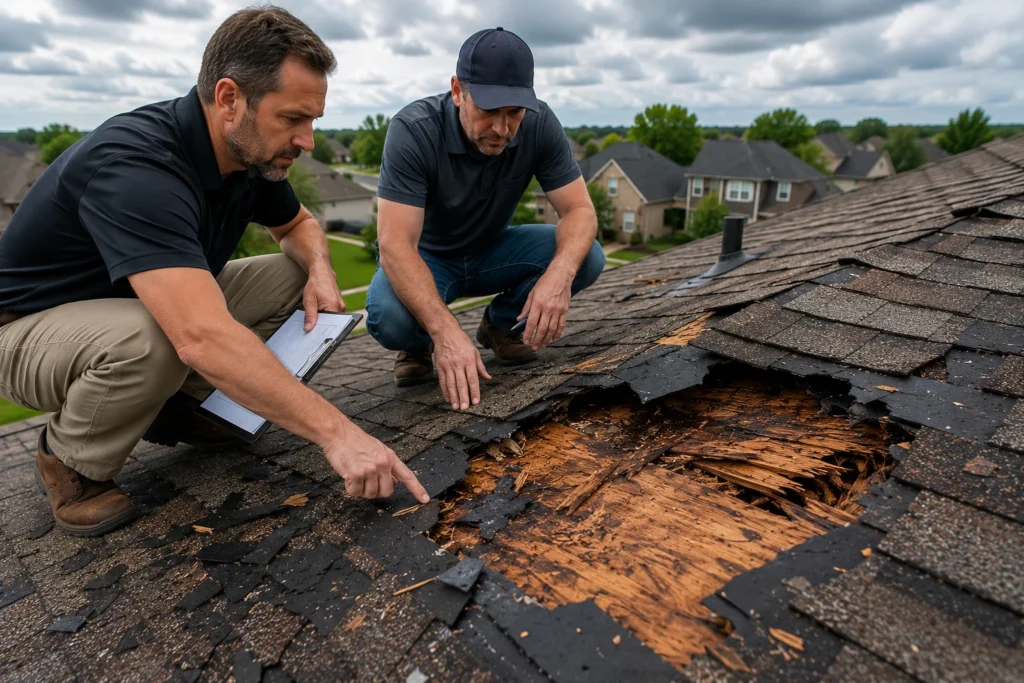
Preparation reduces future claim stress dramatically. Homeowners cannot stop hailstorms. But they can reduce vulnerability.
Schedule Routine Roof Inspections
Annual inspections help identify:
- Weak shingles
- Flashing deterioration
- Drainage problems
- Ventilation concerns
Early repairs may prevent catastrophic failures later.
Maintain Gutters and Drainage
Water management matters more than many homeowners realize.
Poor drainage accelerates:
- Decking rot
- Fascia damage
- Foundation moisture issues
Clean gutters regularly.
Trim Nearby Trees
Overhanging branches become dangerous during severe storms. Tree impacts frequently compound hail losses. Preventive trimming helps reduce that exposure.
Consider Impact-Resistant Roofing Materials
Some homeowners upgrade after major claims. Impact-resistant materials may include:
- Class 4 shingles
- Stone-coated steel roofing
- Advanced synthetic systems
These products may improve long-term storm resilience.
Keep a Storm File Ready
Prepared homeowners respond faster after storms. Maintain copies of:
- Insurance policies
- Roof warranties
- Contractor contacts
- Prior repair invoices
- Roof installation dates
Organization creates leverage.
Real-World Hail Claim Scenario
Here’s how a typical complicated claim can unfold.
Initial insurance estimate: $14,800.
Roofing contractor estimate after inspection: $31,000.
Big gap. Why?
The initial inspection missed:
- Underlayment replacement
- Ventilation damage
- Flashing replacement
- Steep access charges
- Code compliance requirements
During tear-off, additional decking damage appeared. A supplement followed. Final approved settlement exceeded $34,000 after negotiations concluded. Same roof. Same storm. Different inspection depth. That happens constantly during hail damage roof insurance claim disputes.
Why Patience Matters During Large Claims
Homeowners often want immediate closure. Understandable. But rushing major decisions can create financial problems later.
Strong claims require:
- Careful inspections
- Detailed documentation
- Thorough estimate review
- Organized communication
- Professional evaluation
The goal is not speed alone. The goal is accuracy. Especially when protecting one of the largest investments most families will ever own.
Final Thoughts on Protecting Your Roof and Your Claim
A hailstorm creates physical damage fast. Insurance complications usually unfold more slowly. That’s why preparation matters so much. A strong hail damage roof insurance claim depends on evidence, timing, organization, and understanding how roofing systems actually fail after severe weather. Homeowners who document carefully and review estimates thoroughly often place themselves in a far better position financially. In areas like Lewisville where severe Texas storms remain common, proactive roof protection is not just smart maintenance. It’s long-term financial protection. Inspect your roof regularly. Document storm damage early. Keep records organized. Ask detailed questions during the claims process. And never assume the first estimate tells the full story. Because when hail hits hard, the roof is only part of what homeowners are protecting.
FAQs
Most policies require prompt reporting, so homeowners should file a claim as soon as possible after the storm.
Yes. Hidden roof damage can gradually allow moisture intrusion that may not appear immediately after the storm.
Start by documenting visible damage safely from the ground and schedule a professional roof inspection quickly.
It depends on the extent of the damage, policy coverage, and whether repairs are considered sufficient.
Recoverable depreciation is the portion of withheld claim money that may be released after repairs are completed.
Initial inspections may miss hidden damage, code upgrades, or roofing components discovered later during repairs.
Yes. Homeowners generally have the right to select the roofing contractor they want to perform the work.
You can request a reinspection, provide additional documentation, or seek professional claim assistance if needed.
They often are if storm damage is clearly documented during the inspection process.
Public adjusters may help when claims become complicated, underpaid, delayed, or denied.